It was the largest Ebola epidemic in history. It took thousands of lives. It was a wakeup call, and today we are better prepared because of it.
In the year since Ebola spread through three West African countries and into the United States, we’ve taken a coordinated approach to be better prepared today for the threats of tomorrow. We implemented a screening process for travel from West Africa to the United States. We’ve strengthened our hospital system and have given U.S. hospitals the resources they need to care for someone who might have Ebola. Today, we’re on the tail end of clinical trials for two vaccines and a treatment in West Africa. We learned that with good medical care Ebola is a survivable disease.
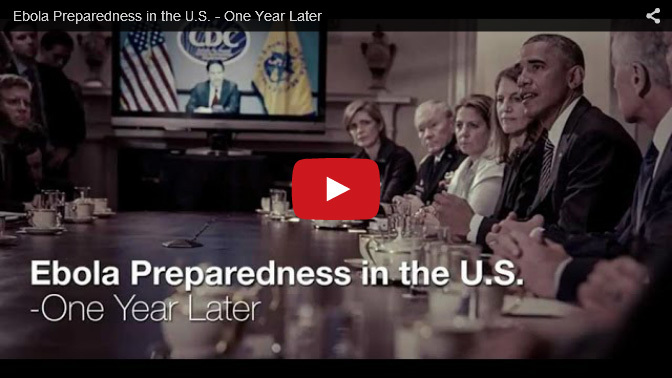
It took a coordinated response from the Department of Health and Human Services and partners around the government to fight this epidemic. Those efforts have made us better prepared than we were a year ago. Preparedness always calls on us to improve, but we can be proud of how men and women across HHS and the federal government responded to Ebola and saved lives.




Belum ada tanggapan untuk "What We Learned From the Ebola Epidemic"
Post a Comment